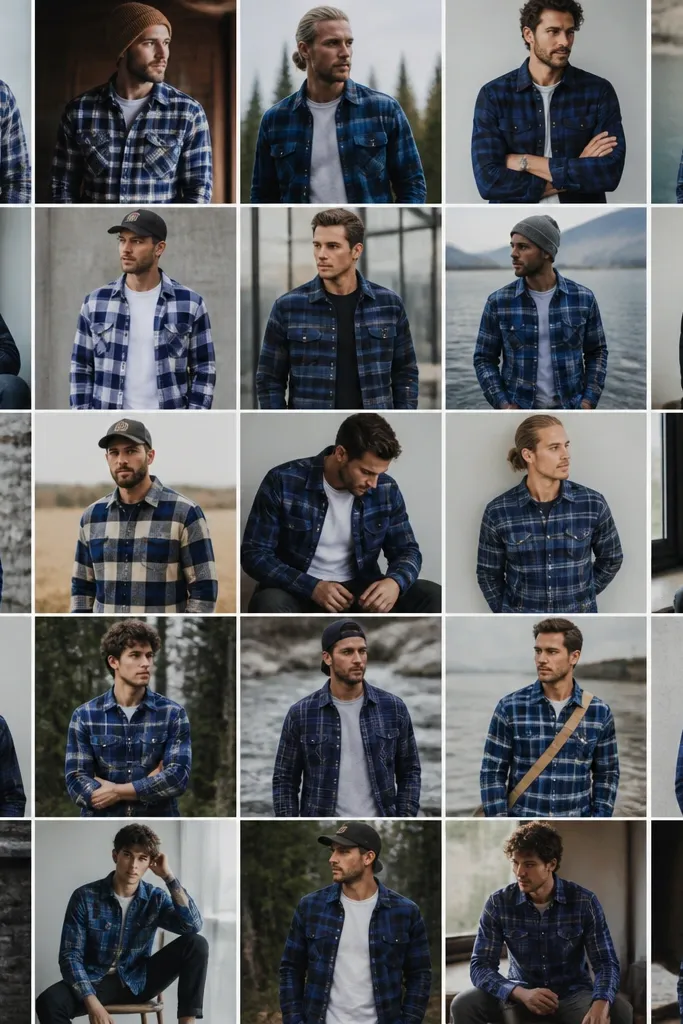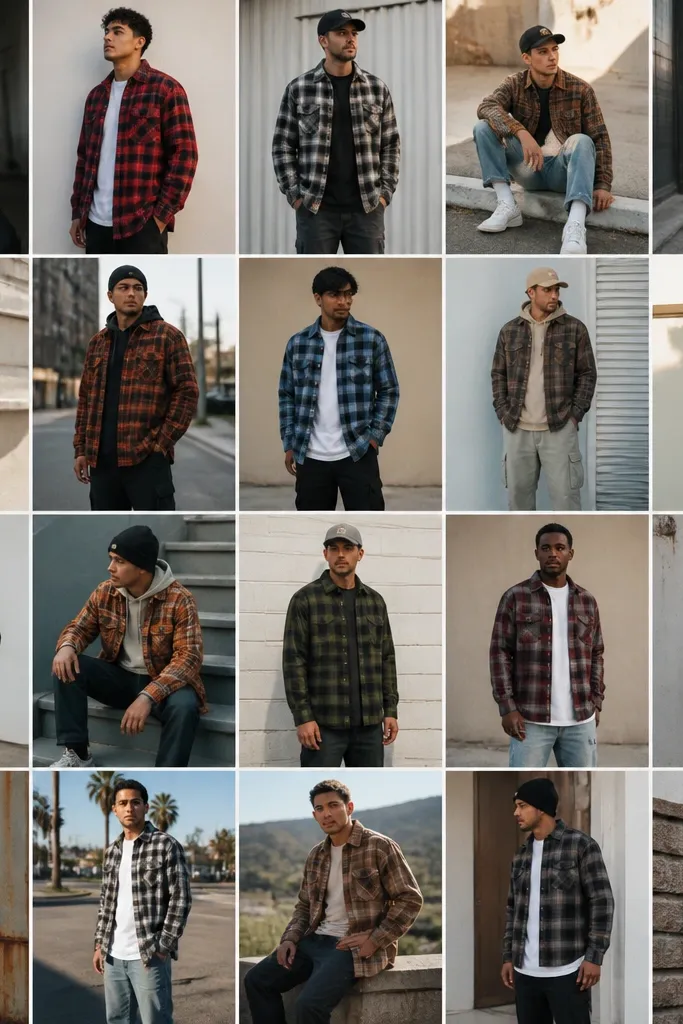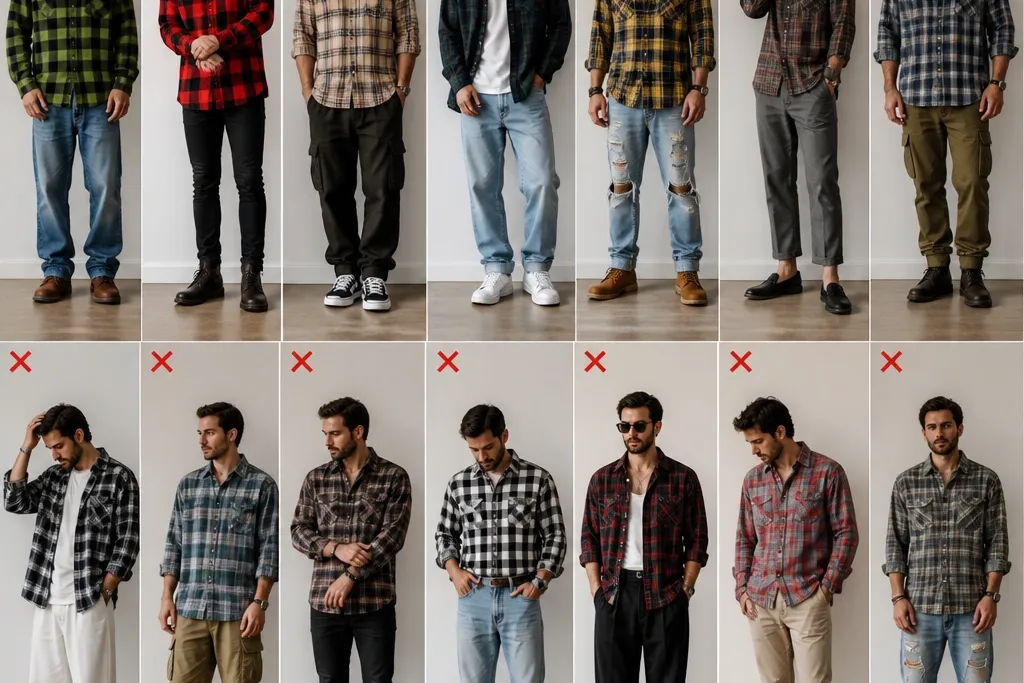
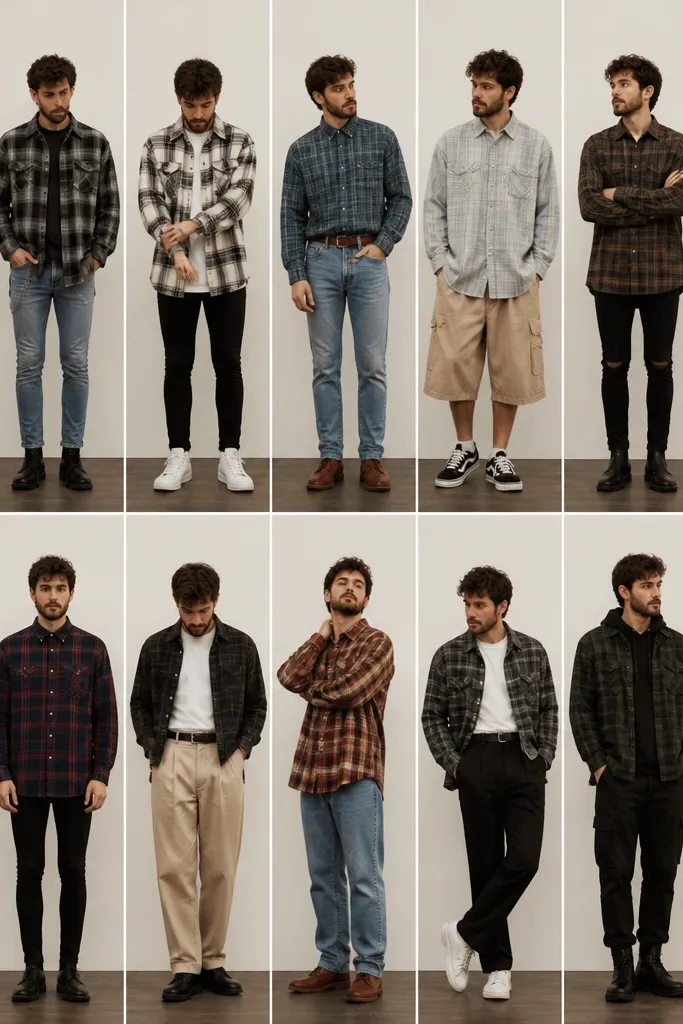
1. The "Hem Too Long" Flannel Over Tee
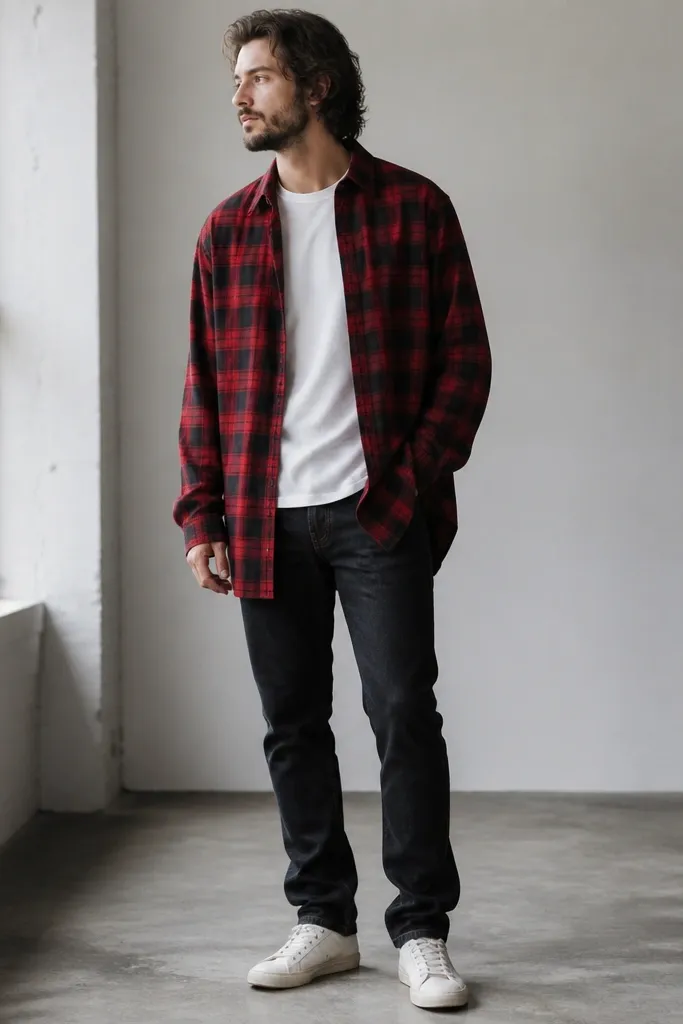
When the flannel hem drops too far, the whole outfit stacks vertically and makes your torso look longer than your legs. I learned this the hard way with a flannel that hit mid-hip — it looked fine in the mirror, then in photos it made me look out of proportion. The fix is simple: treat the flannel like a topper, not a dress. A red-and-black plaid reads bold, so you want it to sit just over the belt line to keep the plaid from dominating everything. This works for most builds, especially if you’re average to lean — the shorter hem adds structure without clinging.
Start by standing in front of a mirror and check where the flannel hem lands relative to your belt buckle. For open wear, aim for the hem to cover the belt by about 1-2 inches, not more. If you can’t alter it, choose a flannel with a shorter cut or size down one — shoulders first, then fit. Layer it over a tee that fits close in the chest, like a 200-220 gsm cotton crew. Finish with dark straight jeans and shoes with a simple toe — black leather sneakers or dark suede chukkas.
If you’re between sizes, size for the shoulders and let the waist sit a touch roomy, but keep the hem controlled.
Avoid letting the flannel hang past your belt line by a lot — it reads sloppy fast.
2. The "Sleeves Swallow Your Wrists" Problem
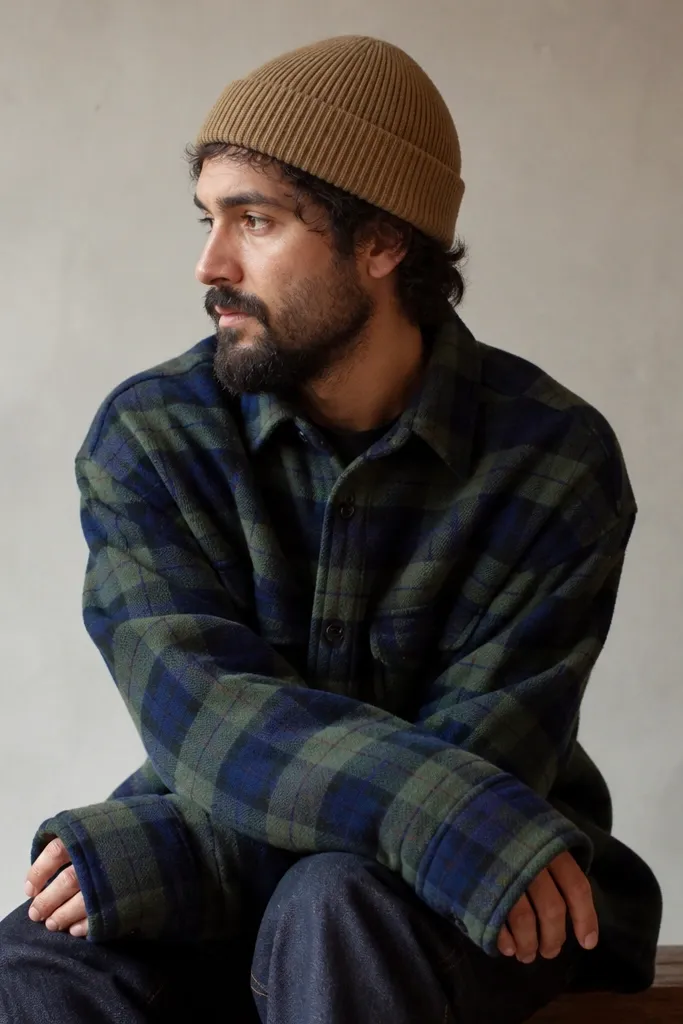
Flannel sleeves that cover your hands make your arms look shorter and the outfit look thrown together. I notice this most with guys who buy flannel for comfort and end up with a sleeve opening that’s too wide — the cloth bunches and the plaid pattern loses its clean lines. A flannel with a narrower cuff opening makes the whole look sharper, even if the rest is casual. This works especially well if you have slimmer forearms or a slightly longer torso, because the wrist area is where proportions get judged. Keep the color grounded — green and navy plaid looks good with tan knits and dark denim because it doesn’t fight the textures.
Start with the cuff: pull the sleeve down and check the cuff edge. You want it to land right at the wrist bone — not halfway down the palm. If the flannel is already owned and too long, roll the cuff once so the plaid lines stay straight and the roll sits flat. Then adjust the inner layer too: use a tee or henley that doesn’t bunch at the forearm. Wear it open with a simple crew or closed with the top button free — either way, keep the sleeve shape clean. Pair with dark indigo jeans and a brown leather boot to anchor the wrist detail.
Do a quick “hand test” — if you can’t see your wrist when your arms hang naturally, the sleeve length is wrong.
Avoid sleeves that bunch at the wrist; they make flannel look like a hand-me-down.
3. Buying Flannel That's Too Thin for Cold Weather
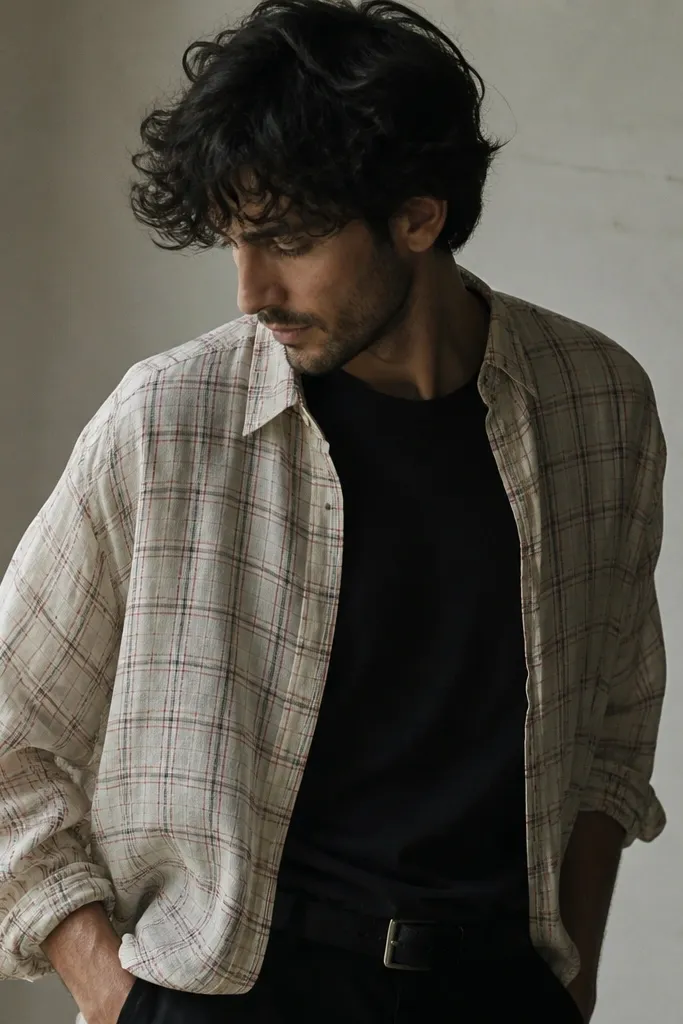
Thin flannel looks great on the hanger and turns into a wrinkled mess after a few hours. I’ve had flannels that were technically “flannel” but felt like brushed cotton — they cling, then collapse, and the plaid looks dull instead of crisp. In cold weather, you want a medium weight that holds a little stiffness so the collar and front panel frame your chest. This matters because flannel is supposed to look like cloth with body, not fabric that drapes like a scarf. If you’re fair-skinned, lighter flannel can wash you out when it’s thin, so the warmth and weight help it sit better against your skin tone. Small-check patterns also need the right weight to show texture.
When you’re shopping, compare two flannels by weight in your hands — pick the one that feels substantial when you fold it once. Choose a fabric that feels soft but not flimsy; if it wrinkles instantly when you lay it down, it’s too light. For layering, start with a thicker tee or a thermal long-sleeve under it so the flannel doesn’t cling to your top layer. Wear it closed with the top button open to keep it from looking boxy. Pair thin flannel with dark jeans and a darker overshirt or jacket only if you need it — don’t stack thin layers all at once. Shoes should be heavier too, like dark boots, so the outfit has balance.
If the flannel feels “paper thin” at the store, don’t buy it for winter — use it as a spring layering piece only.
Avoid thin flannel in winter — it wrinkles and clings and makes the outfit look tired.
4. Overwashing and Pills Everywhere
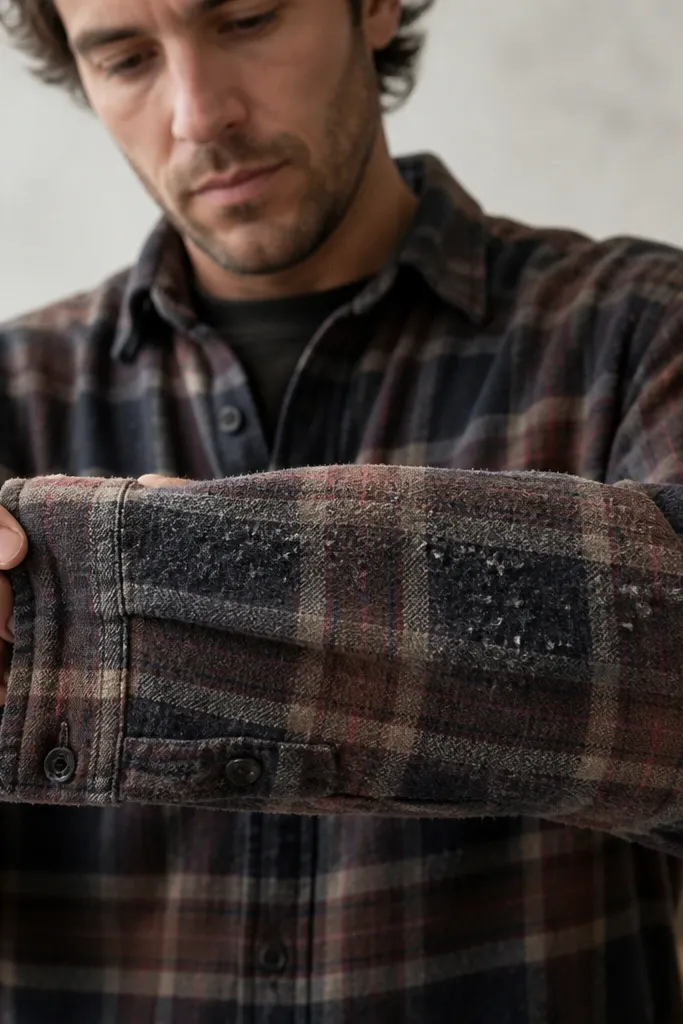
Pilling is the quickest way to make flannel look old even when it’s only a few months old. I’ve learned that flannel gets stress where your bag straps, belt line, and watch rub — then the pills spread across the nap. The fix is not complicated: wash less, use gentle settings, and protect the fabric from abrasion. If you’re wearing flannel daily, you need to treat it like a knit — it’s going to pill without help. This is especially noticeable on dark plaid because the pills create lighter speckling. Keep the color bold but protected, and your outfit stays sharp longer.
Start by turning the flannel inside out before washing. Use cold water and a gentle cycle, then skip the dryer — hang it on a sturdy hanger so the shoulders keep their shape. If you have to dry, use low heat and pull it out while it’s still slightly damp. When it starts to pill, use a fabric shaver with a clean blade — shave gently in one direction, then brush with a soft garment brush. Wash it separately or with similar fabrics to reduce lint transfer. Wear it with a tee that doesn’t shed lint, like thicker cotton, so you don’t build up pills faster.
If you see pills starting on the high-friction spots, shave them right away — a small problem becomes a big one after a few washes.
Avoid hot water and the dryer — that combination kills flannel texture and speeds up pilling.
5. Matching the Flannel to the Jeans Too Closely
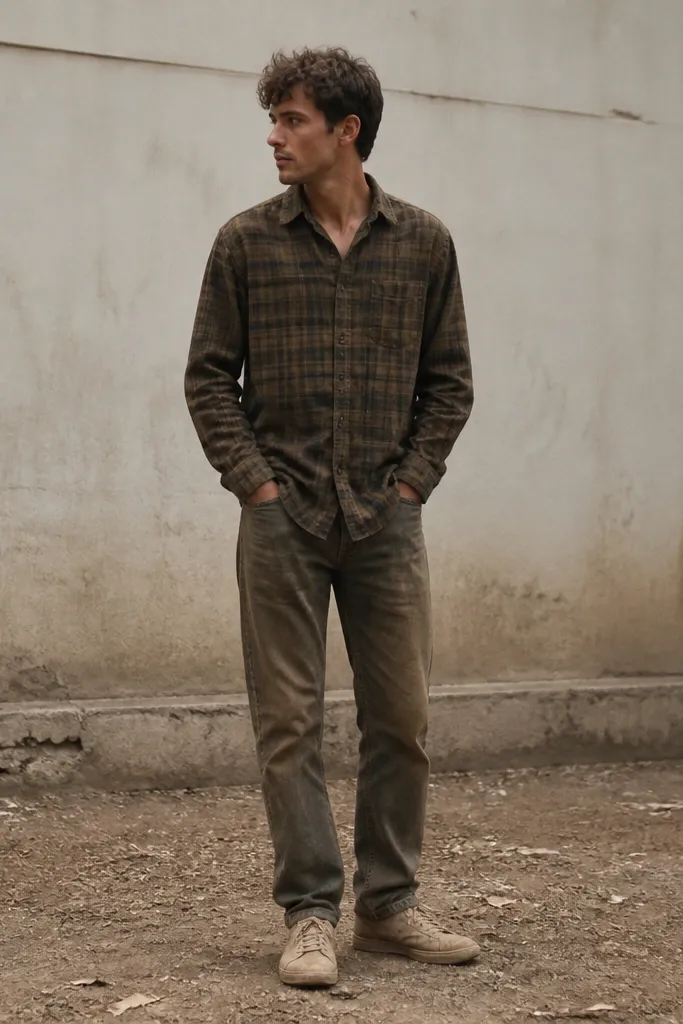
When your flannel and jeans sit in the same color family with similar darkness, the outfit turns into one block. I’ve worn this combo and thought it looked “cozy” until I saw it in daylight — the plaid didn’t pop, and my whole frame looked flat. Contrast is what makes flannel look intentional. If your flannel is brown/olive, choose jeans that are either clearly darker (deep indigo) or clearly lighter (washed medium blue). This is flattering for most skin tones because contrast gives shape to your torso and leg line. The goal is to make the plaid readable and the pants supporting, not competing.
Start by picking the flannel first, then choose jeans that are at least one shade darker or lighter. If your flannel is olive-heavy, go with deep indigo denim or black jeans — the plaid will stand out. Then match your shoe to the jeans, not the flannel: black boots with dark jeans, brown boots with medium-wash denim. Keep the inner layer solid — cream, white, or charcoal tee — so the color doesn’t fight the plaid. If you want a belt, use one with a matte finish in a color that matches the shoes. Button the flannel higher if you’re aiming for a cleaner look, lower if you want relaxed.
Hold your flannel next to your jeans in natural light — if they look like the same level of darkness, change one of them.
Avoid pairing flannel and jeans that are too close in shade; it reads flat and muddy.
6. All Plaid All Day
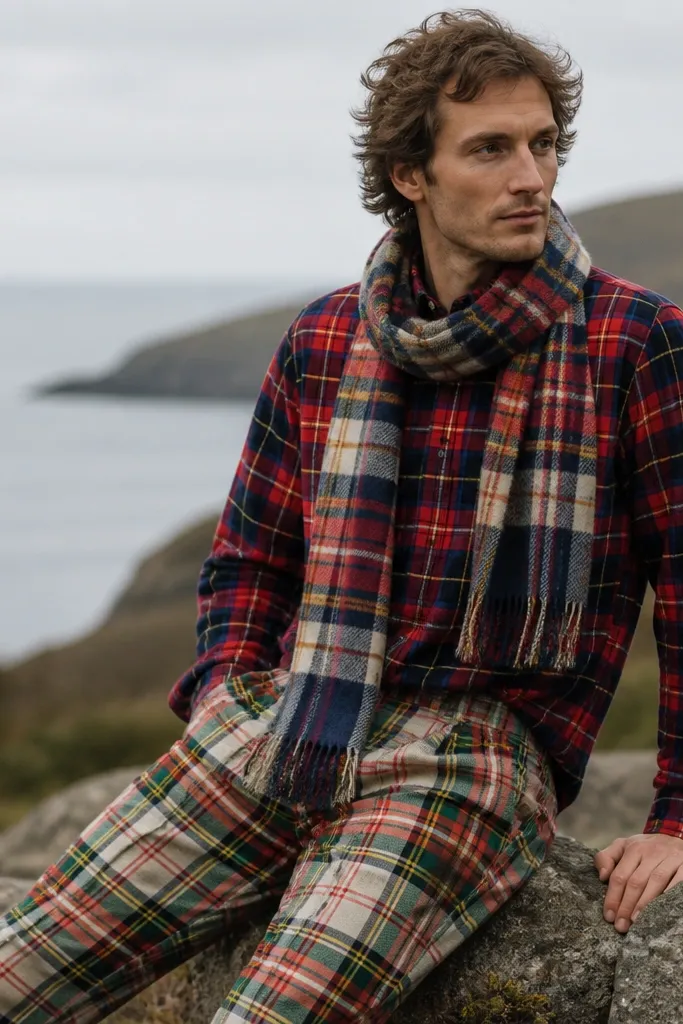
Plaid can look amazing, but too many plaid pieces turns into noise. The problem isn’t just “too much pattern.” It’s that your eyes don’t know where to land, so the outfit stops reading as one outfit and starts reading as random items. I’ve done the full plaid thing with a scarf, and the second I walked outside the pattern clash made me look like I dressed in the dark. The rule I follow now: one plaid item at a time, and everything else solid. This works for guys of any build because it keeps the silhouette clean. A red plaid flannel with a solid navy knit beanie is way more flattering than adding another check.
Start by choosing one plaid piece — the flannel. Keep the rest solid: jeans, chinos, and a belt. For accessories, pick one texture that isn’t plaid, like a ribbed beanie, a smooth leather watch strap, or a simple canvas tote. If you want to keep the vibe, add color through a solid layer: a cream hoodie under the flannel or a black tee under it. Match your shoes to the solid pants, not the plaid — brown shoes with blue jeans, black shoes with black jeans. Stand back and check if the outfit has a clear focal point in the chest area.
If you’re tempted to add a second plaid piece, swap it for a solid scarf or a solid cardigan in a matching color.
Avoid stacking multiple plaid items — it makes flannel look chaotic instead of styled.
7. Wrong Undershirt Color Under Flannel
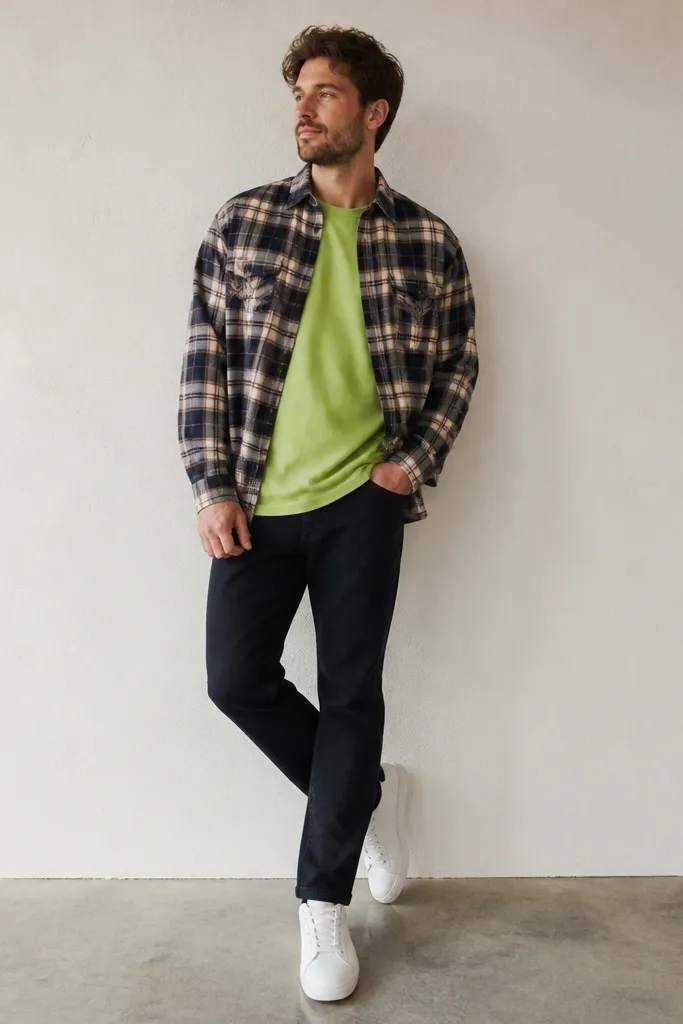
Start by choosing one of three undershirt colors: cream/off-white, heather gray, or charcoal. Then check the neck: it should sit flat under the flannel collar without peeking too much. For open flannel, leave about 1-2 inches of tee visible at the chest — enough to add contrast. For closed flannel, use a tee that doesn’t bunch at the shoulders, or switch to a fitted henley. Keep the tee weight medium so it doesn’t stretch out and flare under the flannel. Finish with dark jeans and shoes that match the undershirt darkness — black sneakers with charcoal tees.
The undershirt is where flannel outfits men mistakes show up first because the neck opening is the most visible part. A neon or overly bright color makes the flannel look accidental, like you grabbed the first tee you found. I like undershirts that either disappear (charcoal, heather gray) or brighten in a controlled way (cream, off-white). If you wear a red or brown plaid flannel, cream tees look warm and clean against most skin tones. If you wear blue or gray plaid, heather gray or white looks sharper and keeps the outfit from looking too “fall festival.”
AvoidAvoid neon or overly bright undershirt colors under flannel — it makes the outfit look unplanned.
Try thisIf your undershirt is brighter than your flannel, the flannel will lose the spotlight.
8. Buttoning Wrong and Getting a Boxy Front
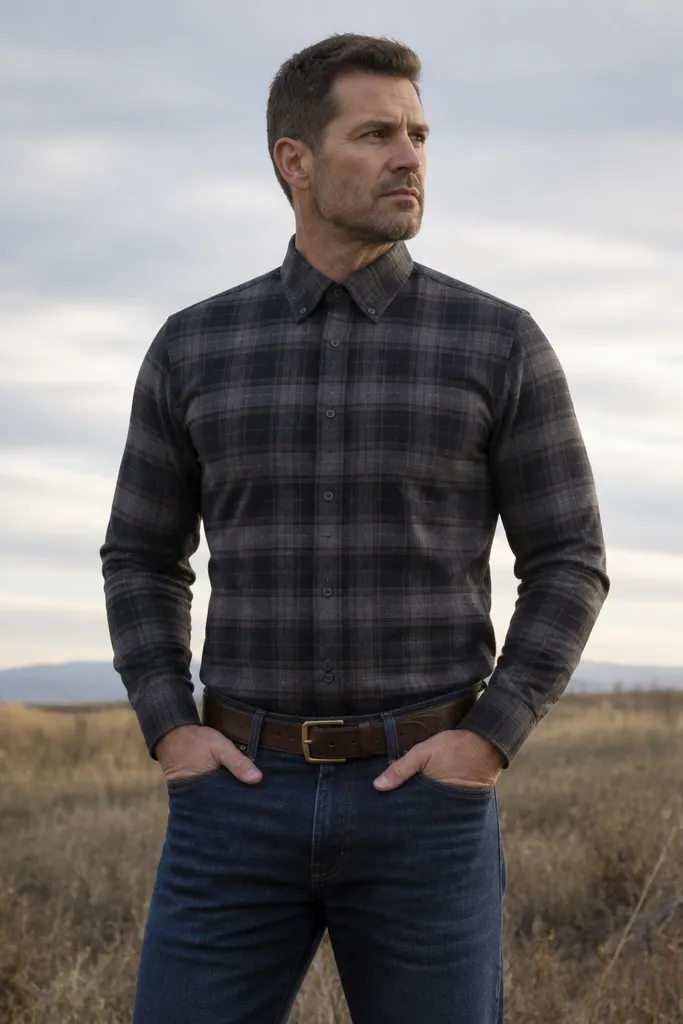
Buttoning a flannel that’s too tight across the chest makes the whole front look square and strained. I’ve seen it on myself when I sized down for a “cleaner” look — it turned into a pull at the button line and the plaid became distorted. Flannel should look like it drapes, not like it’s fighting you. If you want the closed look, size for the shoulders and chest first, then control the waist. The best closed flannel look is where you can button it without tension and still see a gentle taper. This is flattering on bigger guys because it keeps the shirt from pulling upward at the belly line.
Start by trying the flannel on and buttoning it at the top two buttons only. If the fabric pulls at the chest or the collar lifts weird, it’s too small — size up one and check shoulders again. Then decide your button strategy: closed flannel looks best with the top button open slightly for breath and shape. Use a tee that fits close, not bulky, so the flannel can sit flat. Check the hem — it should hit around mid-hip, not high on the waist. Pair with straight or slightly tapered jeans and a belt that matches your shoes so the waistline looks intentional.
Button the top two and do a quick reach test — if it pulls, the size is wrong.
Avoid fully buttoning a flannel that pulls across the chest — it looks tight and cheap fast.
9. Over-Layering With a Bulky Jacket
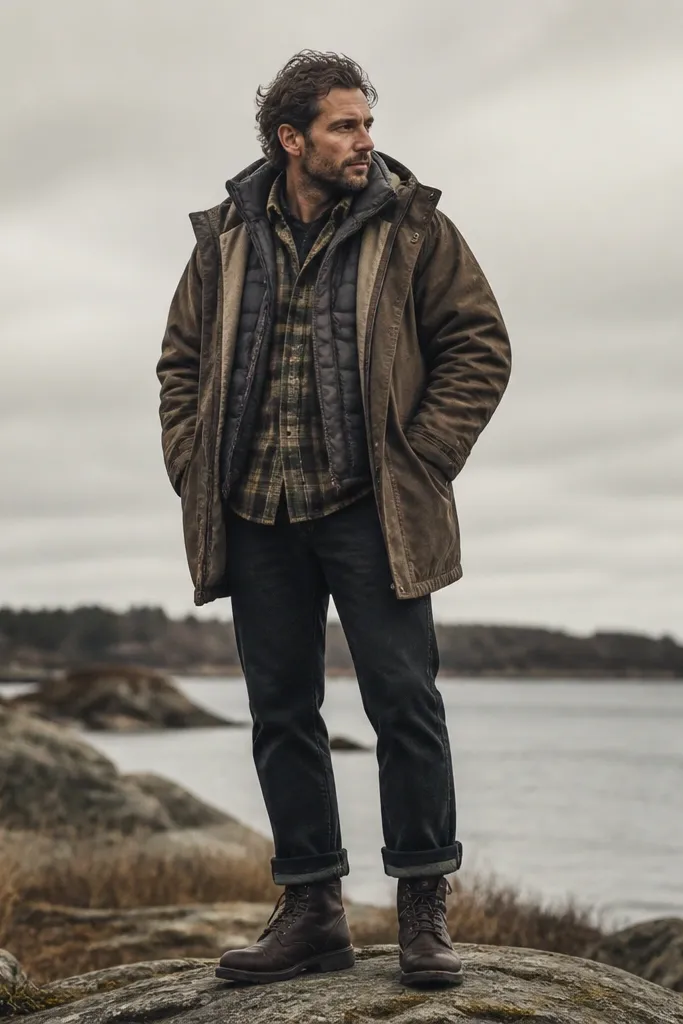
Layering is where flannel can look top-tier, but too many bulky pieces makes you look like you’re wearing a pile, not an outfit. When the flannel is already thick, adding another heavy layer creates shoulder bulk and hides your waist. I learned to stop layering for warmth and start layering for shape: one warm piece with structure, then add a lighter shell if needed. A medium-weight flannel works great under a lightweight field jacket or a thin wool coat. This works for most body types because it keeps the silhouette clear. If you’re tall, too much bulk shortens your lines; if you’re shorter, it makes your torso look shorter.
Start with a medium-weight flannel worn either open or closed. Then pick one outer layer that’s slimmer through the shoulders — think a field jacket or a thin wool topcoat, not a huge puffer. If you wear the flannel open, keep the inner layer fitted and let the flannel fall straight. Add accessories last: a knit beanie and a simple watch, not a bulky scarf. Choose pants that are tailored enough to avoid bunching at the knee — straight denim or dark chinos. Shoes should be sturdy but not chunky — Chelsea boots or a clean lace-up boot.
If your shoulders look wider than your face in the mirror, remove one bulky layer.
Avoid stacking multiple thick layers at the shoulders — it makes flannel look bulky and sloppy.
10. The "Wrong Shoe Color" That Kills the Outfit
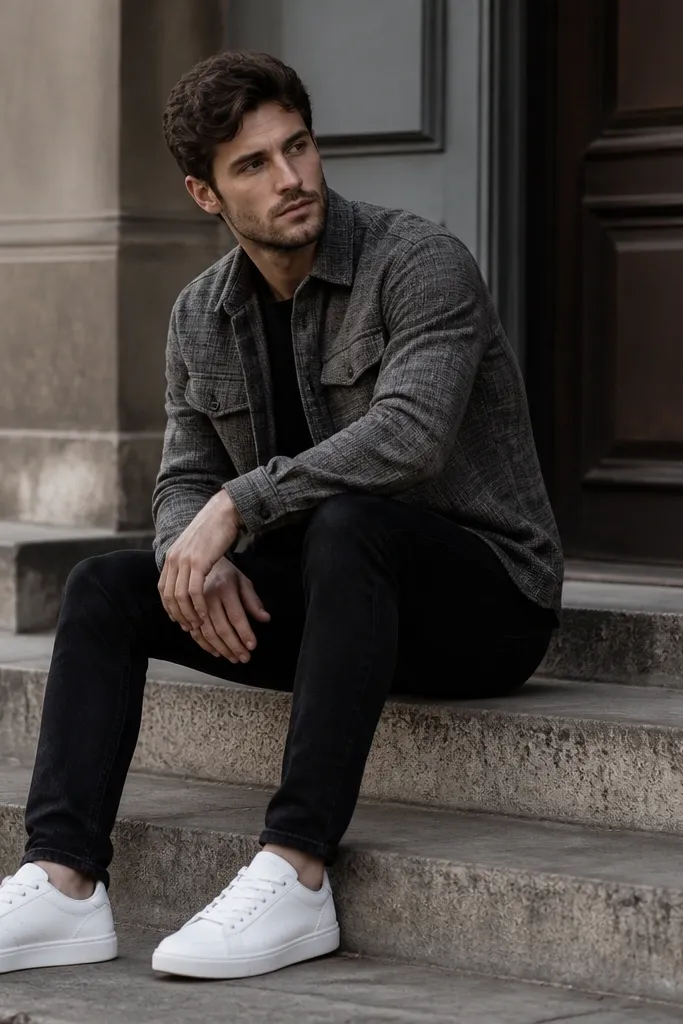
Shoes can ruin a flannel outfit faster than any other item because they sit at the end of the silhouette. I once wore a muted gray flannel with bright white sneakers and the whole thing looked like I dressed for a gym, not for the street. For flannel, go with shoes that either match the darkness of the pants or bring one grounded color. Black shoes with black or charcoal pants look clean. Brown shoes with blue jeans look warm and natural. This is especially helpful if you have a lighter complexion — the right shoe color keeps the outfit from looking too washed out.
Start by matching shoe darkness to your pants. If your jeans are black or charcoal, pick black boots or black leather sneakers. If your jeans are indigo, pick brown suede chukkas or a dark brown lace-up boot. Keep the flannel color in the middle range so it doesn’t fight the shoes — gray, navy, olive, or classic red plaid. Add a belt that matches the shoe color so the bottom half feels connected. If you want sneakers, choose off-white or charcoal sneakers instead of bright optic white.
If the shoes look like the brightest item in your outfit, switch them — flannel needs grounding, not highlights.
Avoid bright optic white sneakers with muted flannel — it breaks the vibe.
11. Not Tucking When You Should
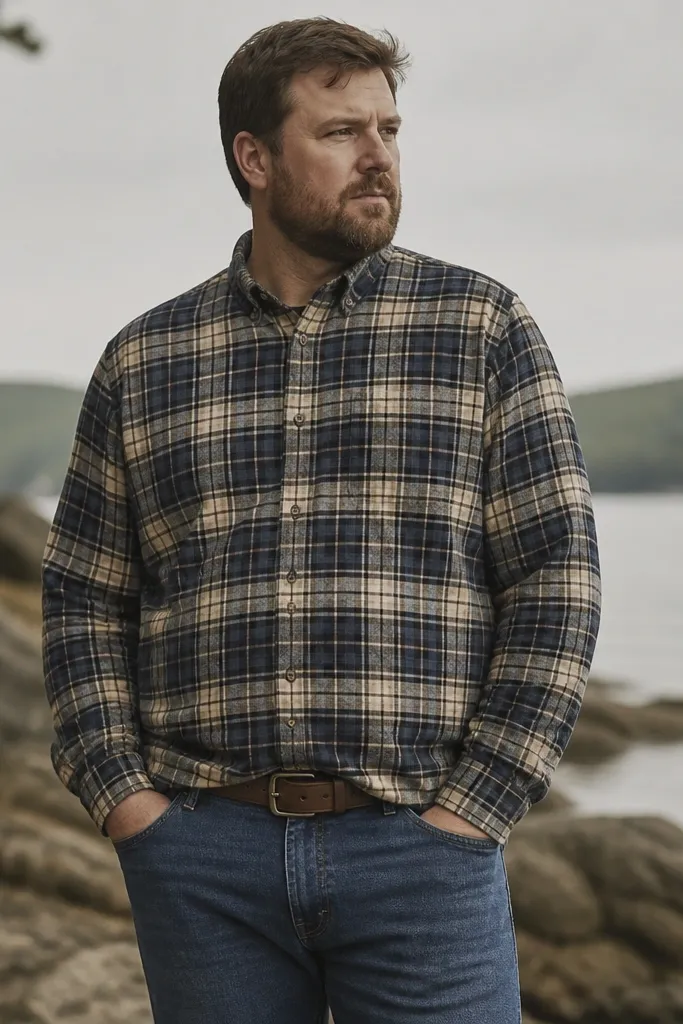
Untucked flannel can look great, but only when the shirt has the right length and fit. If your flannel is longer or your waist is average to bigger, untucked fabric gathers at the belly and the plaid loses its shape. I’ve worn that exact combo and watched the outfit turn into an oversized curtain. Tucking fixes it by creating a clear waistline and letting your jeans look intentional. This is flattering on almost everyone because it gives structure without needing tailoring. Choose this when you wear flannel closed and want a cleaner, more “put together” look.
Start with a flannel that hits around the waistband or slightly above it. If it’s too long, don’t pretend — switch to a shorter cut or roll the hem once instead of full tuck. If the flannel is the right length, tuck the front only (about half) so it looks relaxed but controlled. Use a belt with a simple buckle — matte black or dark brown. Then check your proportions: the tucked flannel should not pull at the belt line. Finish with straight or slightly tapered jeans and shoes that match the belt color.
Try the half-tuck first — it adds shape without looking like you’re dressing for an office.
Avoid untucked closed flannel that pools at the belly — it makes the outfit look bigger than you are.
12. Using Cheap Hardware and It Shows
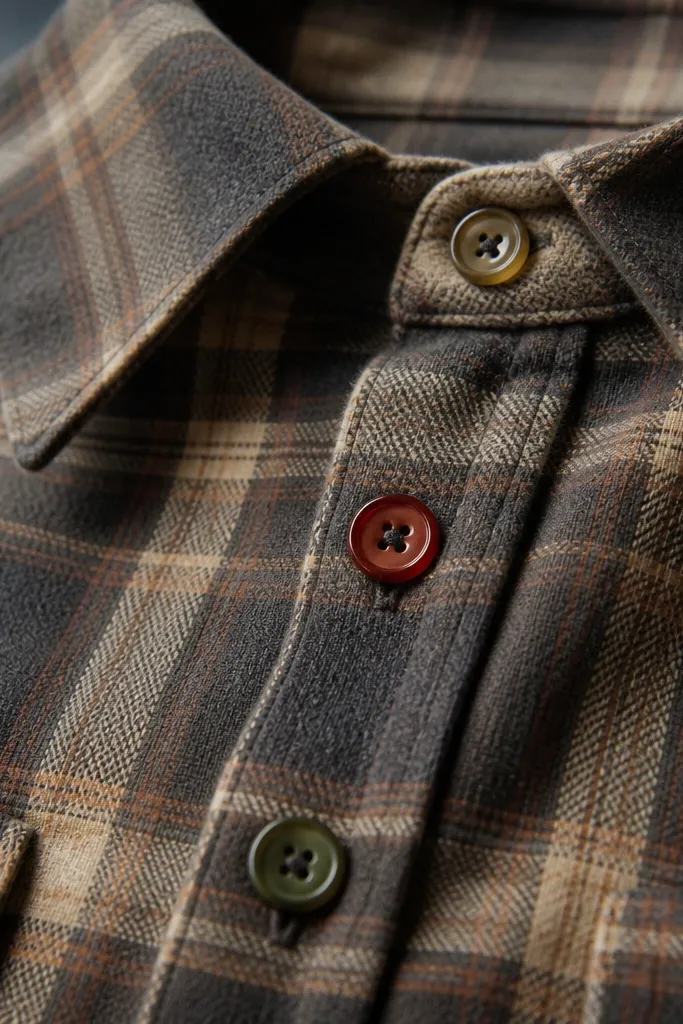
Start by checking the collar after you gently tug it — it should spring back, not flop. Then look at the buttons: they should be matte or fabric-covered, and the buttonholes should look consistent. If you’re buying online, inspect product photos for close-ups of the front placket and the cuffs. When you get it, wash once and hang dry so the collar sets. Wear it with a simple tee so the collar is visible. Pair with dark denim and a clean jacket so the flannel becomes the focus, not the hardware.
This one is small, but you feel it immediately. Cheap-looking hardware — shiny plastic buttons, uneven buttonholes, collars that don’t sit — makes flannel look like a throwaway purchase even when the color is right. I noticed it when I compared two flannels side by side: the better one had matte buttons and a collar that held its shape after washing. The difference is what your hands and eyes register. If you’re spending money on flannel, prioritize the collar and button finish, not just the plaid pattern. This matters for both men and women because the collar and front closure frame your face and neck. A well-finished flannel makes even basic jeans look styled.
Try thisChoose flannel with matte buttons and a collar that holds its shape after one wash — that’s where quality shows up.
13. Pattern Scale Is Wrong for Your Body
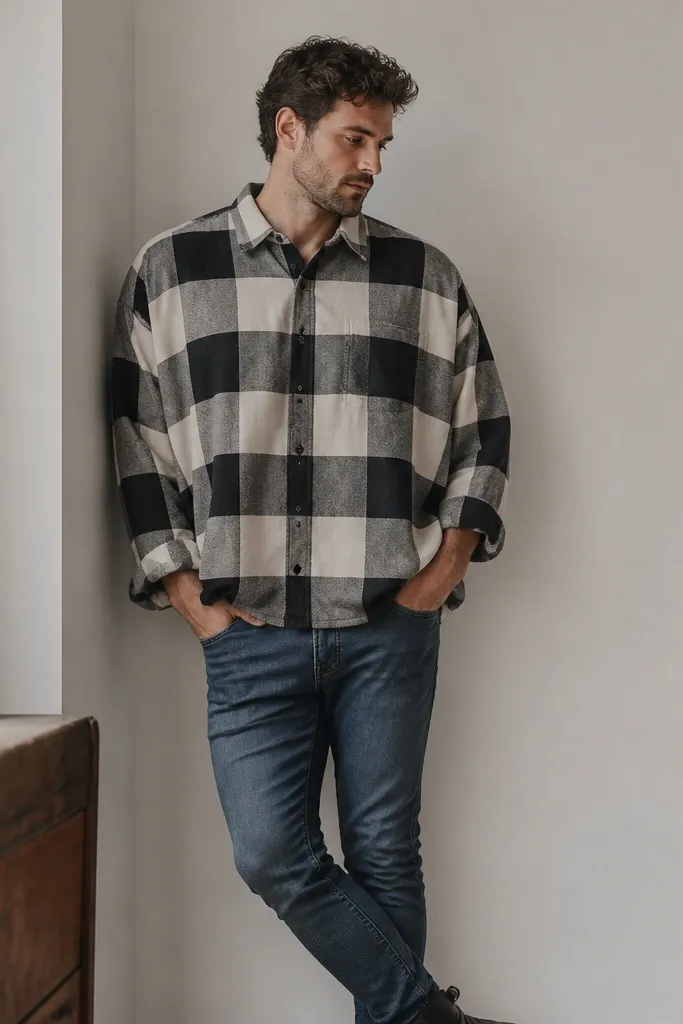
Pattern scale changes your proportions more than people admit. Oversized checks can look great on tall, broad frames, but on slimmer guys they can widen the torso in a way that feels unflattering. I’ve tried large-check flannel when I was between sizes and the checks stretched across my chest, making the outfit feel louder than I wanted. If you’re lean or your shoulders are narrow, smaller checks or tighter plaid reads cleaner. For average builds, medium plaid is the safe middle. This also helps with skin tone — smaller patterns keep the face area calm and let the flannel add warmth without overwhelming your features.
Start by matching plaid size to your build. If you’re lean, pick medium or small-check flannel in colors like navy/gray or red/cream. If you’re broader, go for larger checks or thicker stripes, but keep the rest of the outfit solid. Then check the fit: the plaid lines should look straight when the shirt is buttoned, not stretched into weird angles. Pair with straight jeans in dark indigo or black so the plaid doesn’t fight the leg line. Keep shoes simple — dark leather sneakers or boots. If you want a jacket, choose plain fabric so the pattern stays the focal point.
Button the flannel and stand 6 feet from a mirror — if the checks look like they’re taking over your whole upper body, switch to a smaller pattern.
Avoid giant-check flannel when your frame is slim — it widens you and looks costume-like.
14. Wearing Flannel With the Wrong Pant Fabric
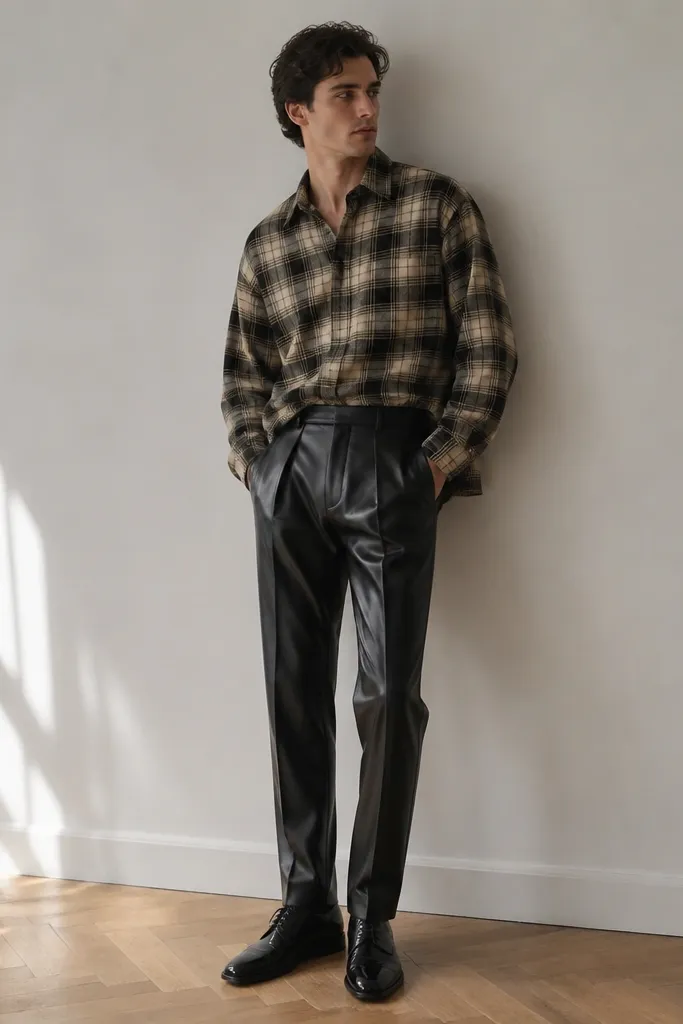
Start by choosing pants with a matte finish. For casual, go with dark indigo denim or black straight jeans. For dressier, pick brushed twill chinos or charcoal wool trousers. Then match the flannel openness: open flannel with a tee looks best with denim, while closed flannel over a fitted shirt looks better with wool. Keep the belt simple and matte — avoid shiny buckles if your pants aren’t shiny. Choose shoes that match the pant fabric: loafers or suede boots with wool, lace-ups or boots with denim. Make sure the pant hem sits cleanly above the shoe, not pooling.
Flannel has texture and nap, so it needs pants that either match that texture or stay matte. Shiny dress pants make flannel look like it’s borrowed from another outfit. I’ve worn the “casual top + fancy pants” combo once and felt underdressed in a room where everyone else had simple denim or wool trousers. The easiest fix is to pick matte fabrics: dark denim, brushed twill chinos, or wool trousers. If you want a sharper look, choose wool pants in charcoal or navy with a clean hem — not glossy. This works for men and women because it keeps the outfit cohesive around the fabric contrast.
AvoidAvoid pairing flannel with shiny dress pants — it makes the outfit feel mismatched.
Try thisIf your pants reflect light when you walk, they’re probably too shiny for flannel.
15. Using the Wrong Color Temperature Together
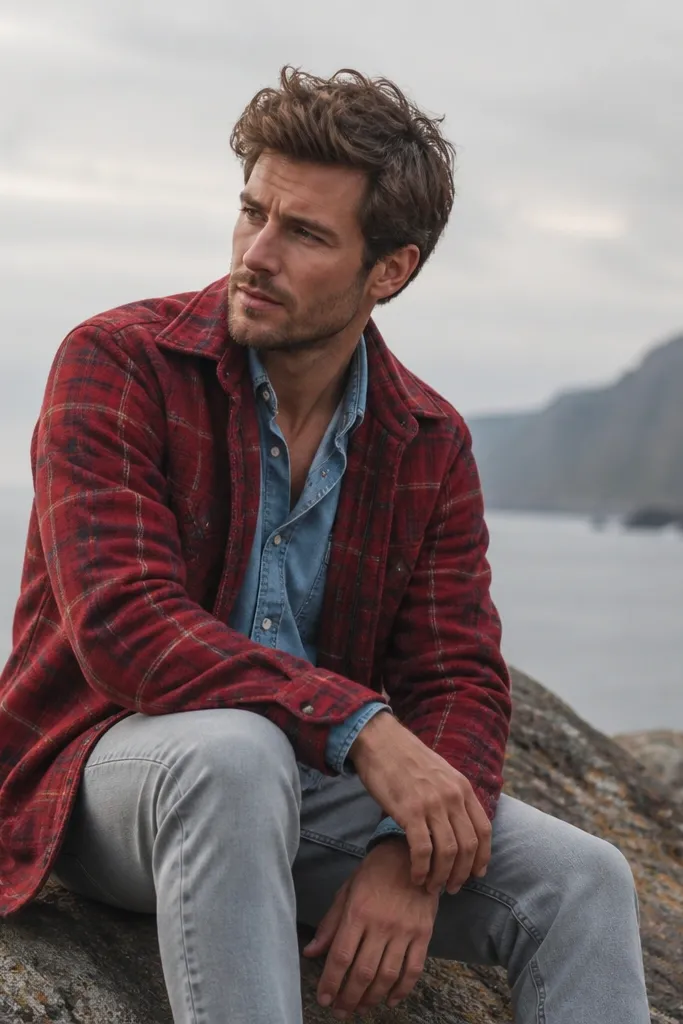
Flannel color temperature matters. Warm flannels like red, rust, and warm olive look best with warm neutrals or balanced cools, but pairing warm flannel with icy, very cool blues often makes the whole outfit look sickly. I noticed this when I wore a warm red flannel with an icy blue button-down — the blue looked too bright and the red looked dull. The fix is to control the neutrals: cream, tan, camel, and warm gray for warm flannel. If your flannel is cooler like navy or charcoal, use white, heather gray, or medium blue denim. This rule helps most people because it prevents the face area from looking blotchy or washed out.
Start by identifying if your flannel feels warm or cool. Warm flannel has yellowish reds and olives; cool flannel leans toward blue-based tones. For warm flannel, choose an undershirt in cream, oatmeal, or warm gray and pants in medium blue denim or dark indigo. For cool flannel, choose white, heather gray, or navy accents and pair with black or charcoal pants. Keep your shoes in the same temperature family: brown shoes with warm flannel, black or dark navy shoes with cool flannel. If you add a beanie, pick one tone that matches the undershirt, not the flannel.
Hold your undershirt next to your flannel in front of a window — if the combo looks “off” instantly, swap the undershirt color temperature first.
Avoid mixing warm flannel with icy-cool neutrals — it makes the outfit look washed out.